Practical before theoretical
Understanding AI matters, but it becomes more useful when you can connect it to something you actually do. Sessions combine explanation, discussion and hands-on work with examples relevant to your role or organization.
Practical AI Adoption & Advisory
I’m Andrew Olenick, an independent AI adoption consultant helping executives and organizations understand AI, put it to practical use and navigate adoption with confidence.
I work directly with leaders and teams to build AI skills, identify where the technology can create real value and develop practical approaches to using it effectively and responsibly.
From executive guidance and hands-on training to organizational strategy and policies, my focus is on helping you figure out where AI fits, where it doesn’t and what makes sense for your organization.
Based in Los Angeles. In-person and remote sessions available locally, with remote engagements nationwide.
01 / Leadership
Leaders need enough practical understanding of AI to evaluate opportunities, recognize limitations and set expectations for their teams. That starts with using it, asking questions and seeing where it fits into the work their organizations already do.
Staff may already be experimenting with ChatGPT, Claude or other tools. But individual experimentation does not necessarily give an organization shared standards, clear priorities or a responsible approach to adoption.
My work helps leadership answer the questions behind those decisions, including where can AI meaningfully improve our work? What does good use look like and what should we avoid? What risks and limitations do we need to understand? Where do verification and human judgment remain essential? How do we give staff useful guidance without overwhelming them?
02 / Approach
I start with your organization’s work and the decisions its leaders need to make. We use practical examples to build understanding, identify useful applications and determine what guardrails should be in place.
Understanding AI matters, but it becomes more useful when you can connect it to something you actually do. Sessions combine explanation, discussion and hands-on work with examples relevant to your role or organization.
Executives need enough understanding of AI to ask informed questions, evaluate recommendations and provide direction. You don't need to become a deep technical expert and you should not leave adoption entirely to individual employees or software vendors.
AI can support drafting, research, summarization and analysis. It can also fabricate information, miss context and produce confident answers that are wrong. Knowing when to verify, revise or reject an output is part of using AI effectively.
I do not sell software or receive compensation for recommending AI tools. My priority is helping your organization decide what is useful, what is appropriate and what is not worth pursuing.
03 / Services
My primary services are executive AI working sessions and hands-on team workshops. For organizations that need a more structured adoption plan, I offer AI adoption and workflow strategy.
Focused working sessions help non-technical executives and leadership teams build practical AI skills and the strategic understanding to guide adoption.
We work through relevant examples and leadership questions so you can understand what AI can do, evaluate its limitations and make informed decisions about its role in your organization.
Sessions can cover:
What you take away: Practical experience using AI, a clearer understanding of its strengths and limitations, and a stronger foundation for providing organizational direction.
Best forCEOs, partners, executive directors and other non-technical leaders who want to understand AI well enough to use it and lead its adoption.
FormatIndividual executive or leadership-team working sessions, tailored to your needs.
Hands-on workshops help leadership and staff develop a shared understanding of AI and begin applying it to their work.
We combine practical explanations, discussion, hands-on work and demonstrations with opportunities to try relevant uses, ask questions and understand what good and bad usage looks like.
Workshops can cover:
What your team takes away: A shared foundation, practical examples to begin using, clearer expectations for responsible use and the ability to start using AI in every day work.
Best forOrganizations where AI use is new, uneven or informal, or where leadership and staff need a common starting point.
FormatInteractive workshops tailored to your team’s work, questions and level of familiarity with AI.
AI adoption and workflow strategy helps organizations identify where AI may be useful, assess the risks and prioritize what to explore next, including practical AI Policies & Guardrails.
This work connects adoption decisions to existing workflows, organizational needs and the people responsible for reviewing and using AI outputs.
Depending on the engagement, the work can include:
What your organization takes away: Clearer priorities and a practical basis for deciding where to invest time and resources.
My role is advisory. I do not provide custom software engineering, but I can help clarify the use cases and priorities an internal team or technical partner would need to address.
Best forOrganizations that need a more deliberate plan for moving beyond individual experimentation.
FormatA tailored strategy engagement based on your organization’s needs and current AI use.
04 / AI Policies & Guardrails
As employees bring AI into their work, organizations need clear answers about approved tools, confidential information, appropriate use and client disclosure.
Those expectations help teams use AI consistently, protect sensitive information and maintain the trust clients and colleagues place in their work.
Which AI tools can employees use, and what client, employee or confidential information can be shared with them?
Where can AI support the work, where is human oversight required, and where should AI not be used?
When should clients or other stakeholders be told that AI contributed to work they receive?
How should AI-generated work be reviewed, and who is ultimately responsible for its accuracy and use?
I work with leaders and teams to turn these decisions into practical AI policies and easy-to-reference guidelines that reflect their organization’s work, risks and responsibilities.
The goal is to give staff the clarity and confidence to use AI effectively and safely. These policy conversations fit primarily within AI Adoption & Workflow Strategy and can also be introduced through executive sessions.
Does your organization have clear rules for using AI yet?
Discuss AI Policies & Guardrails05 / Find your starting point
Executive sessions are suited to leaders who need personal understanding and strategic direction. Workshops establish a shared foundation across a team, while workflow strategy helps an organization prioritize specific adoption opportunities.
| Service | Who it is for | Primary focus | What you take away |
|---|---|---|---|
| Executive AI Sessions | Non-technical executives and leadership teams | Practical AI skills, opportunity assessment and leadership decisions | A stronger understanding of AI and clearer direction for organizational adoption |
| AI Workshops & Team Enablement | Leadership and staff who need a shared foundation | Hands-on use, relevant examples, risks and responsible practices | Practical applications and shared expectations for using AI at work |
| AI Adoption & Workflow Strategy | Organizations ready to evaluate and prioritize adoption opportunities | Workflow review, guardrails and pilot priorities | A practical plan for what to explore first, next and later |
Engagements are tailored. We can begin with one service or develop a sequence based on what your organization needs.
06 / Experience
My AI advisory experience includes direct executive working sessions and workshops for leadership and staff. Two illustrative examples:
I've worked directly with the CEO of a brokerage to develop practical AI skills and strategic understanding. The sessions connect hands-on use with questions about how AI fits into executive work and how leadership can guide adoption across the organization.
I've delivered workshops helping a CPA firm’s leadership and staff understand AI, discuss its risks and limitations and explore relevant applications. Hands-on demonstrations focused on uses participants could begin applying to their work immediately.
07 / Who I work with
I focus on non-technical leaders at professional services firms and mission-driven organizations, particularly where work depends on research, communication, sensitive information and professional judgment.
My services are especially designed for organizations such as:
You absolutely do not need a technical background or a fully developed AI strategy. The starting point is understanding your work, your questions and what would help your organization move forward.

Andrew Olenick Independent AI Adoption Consultant
08 / About
I’m an independent AI adoption consultant based in Los Angeles, with a background in strategy, policy analysis, executive communication and organizational decision-making.
Before my AI advisory work, I helped leaders translate complex research and policy questions into briefing materials, organizational priorities and practical decisions. At First 5 LA, that included advising executive leadership, directing the development of more than 30 policy analyses annually and leading the redesign of a $4 million grant program.
I hold an MBA from Indiana University’s Kelley School of Business, where I majored in Strategy & Leadership and certification in Generative AI for Business Leaders. I also hold a Master of Public Policy (MPP) from the University of Southern California’s Price School of Public Policy.
Today, I bring that combination of strategy, communication and applied AI experience to helping executives understand AI well enough to provide strategic direction to their organizations.
09 / The Human Side of AI
I believe AI should be a tool that helps people, not something that replaces the value of human experience, relationships or judgment. As technology becomes more embedded in how we work and live, the human side of things will only become more important.
That’s a philosophy I bring to my consulting work: these tools serve to make people better and more effective. But this view also extends beyond AI.
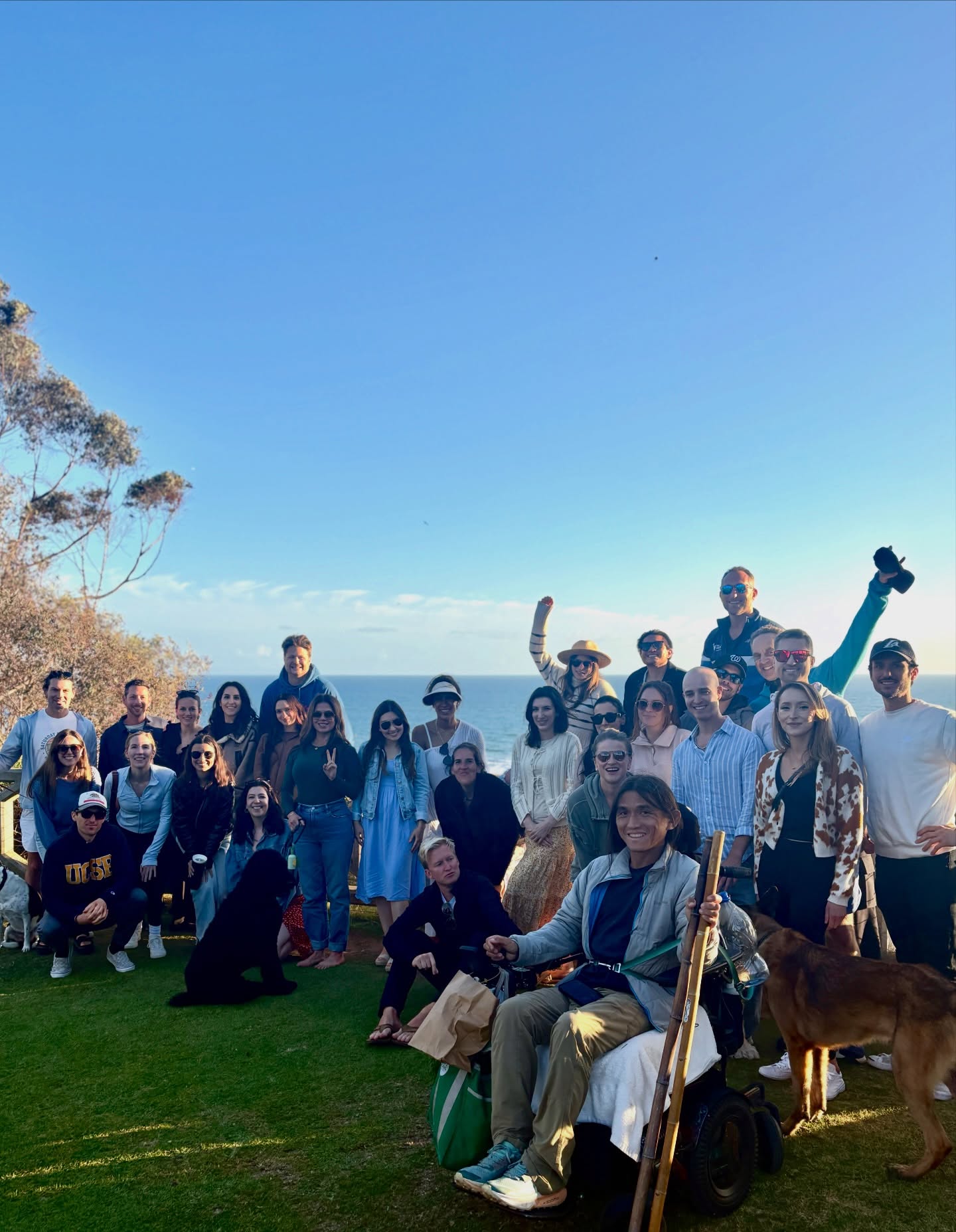
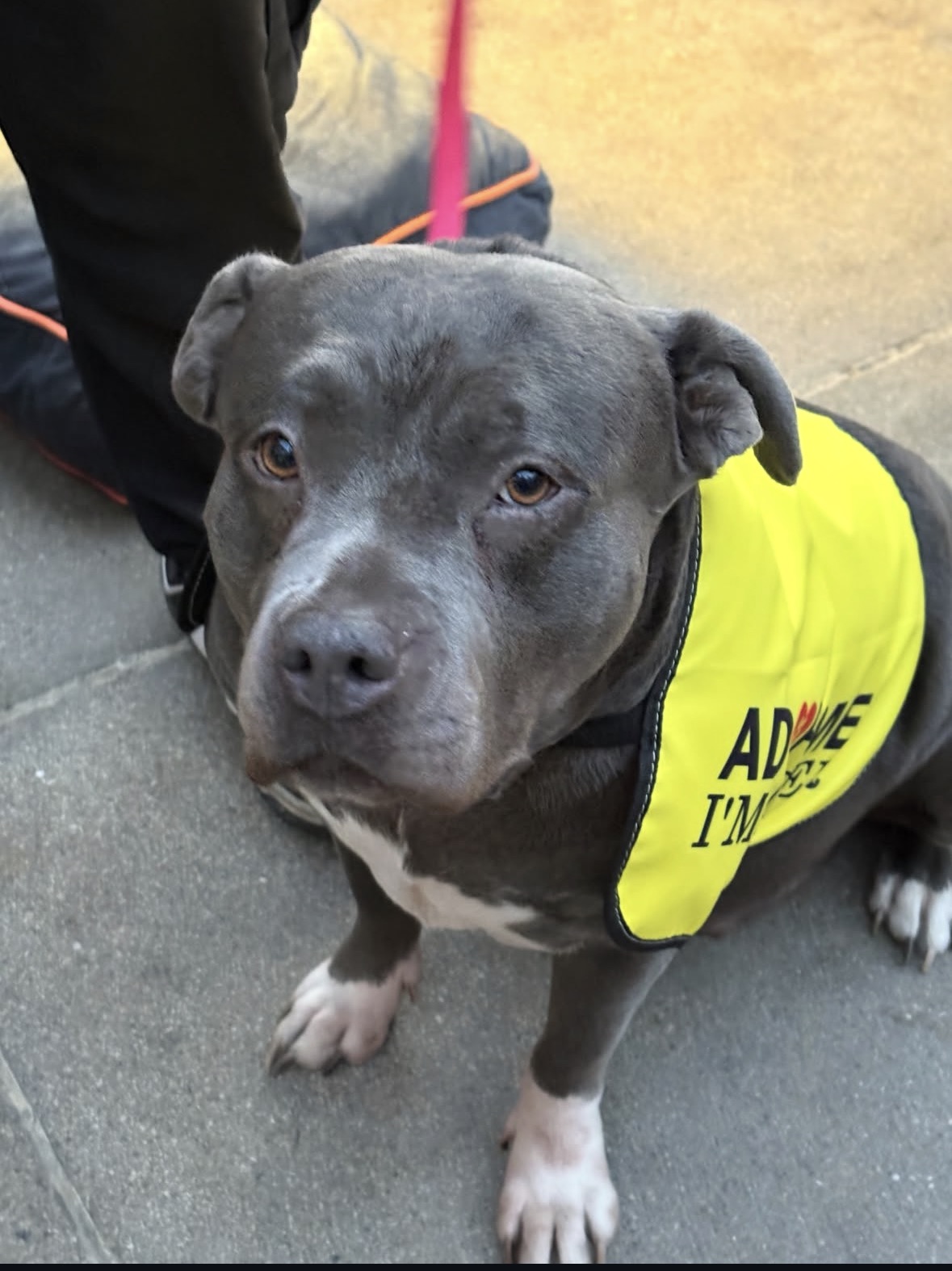
There’s a power that comes from connecting in person that simply can’t be replicated online or by AI. I’ve seen it firsthand through bringing people together around something as simple as watching the sunset. Communities I’m building have also helped Princess, a sweet pit bull terrier in need of a home, find a family, and supported causes like animal rescue, coastal conservation and environmental restoration.
As much as I’m interested in the future of AI and technology, I believe the relationships we build, the communities we’re part of and the impact we have on the world around us matter just as much.

10 / FAQ
No. Executive AI sessions are designed for non-technical leaders. We focus on practical understanding and use cases, relevant applications and the decisions you need to make.
Executive AI sessions combine hands-on learning with strategic discussion. You develop practical skills while exploring what AI means for your leadership responsibilities, organizational priorities and adoption decisions.
Yes. Workshops and executive sessions can help organizations where employees are already using AI but lack shared expectations, consistent practices, foundational understanding or clear leadership direction. The work starts with your current situation rather than assuming everyone is new to AI.
Skepticism is not necessarily a problem and sessions create space to examine limitations, question outputs, discuss concerns and distinguish useful applications from uses that are risky or not worth pursuing.
Yes. I help organizations develop practical AI Policies & Guardrails through AI Adoption & Workflow Strategy, and we can also introduce policy questions in executive sessions. Topics include approved tools, data privacy, appropriate use, disclosure, verification and human review. Questions involving legal obligations, security requirements or formal policy approval should also involve your organization’s relevant specialists.
No. Andrew Olenick Consulting is independent. I do not sell AI software or receive compensation from vendors for recommending their tools.
My primary work is executive advisory, team workshops and AI adoption strategy, rather than custom software development. When technical implementation is needed, I can help clarify the problem, use cases and priorities before your organization invests in a solution.
Yes. Los Angeles–area workshops and executive sessions can be in person or remote, depending on your preference. Remote engagements are available nationwide.
The scope, duration and fee depend on your goals, the participants and the work involved. We begin with a conversation to determine an appropriate format and proposal.
We discuss your organization’s current AI use, leadership questions and team needs. From there, we can determine whether executive sessions, a workshop or workflow strategy is the most useful starting point.
Schedule a conversation about your organization, its current AI use and the questions you are trying to answer. We can discuss where support would be useful and whether there is a fit.